
A walkthrough in shrink packaging — understanding the basics.
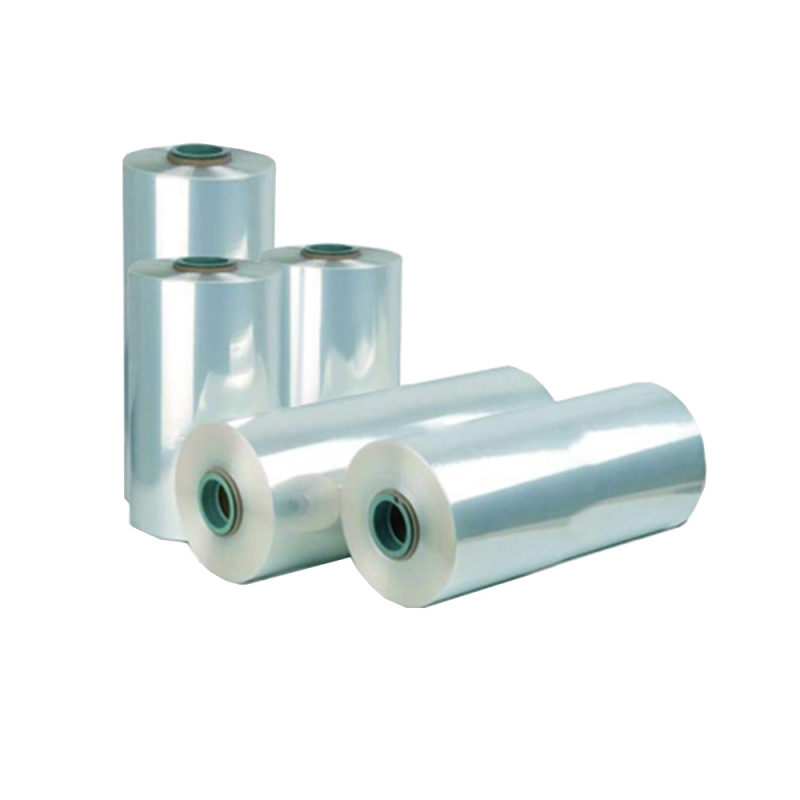
In a supermarket, there are a lot of products packaged in plastic. Most of them are simply in a plastic bag, some are in a hard plastic container. Almost all of them are packaged in a kind of plastic or plastic-like material. But there is this one particular kind of plastic packaging that seems to be applied to almost all of them — a plastic wrapped tightly on the product's packaging, fitting it exactly as if a tailor made it. So, what exactly is it?
PVC and polyolefin
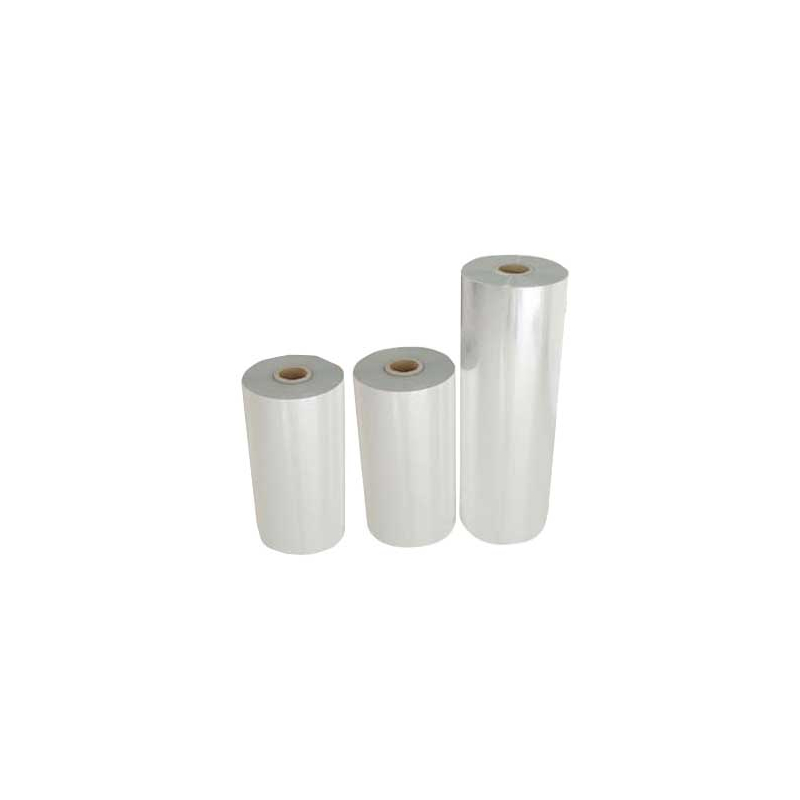
PVC stands for Polyvinyl Chloride; it is also the third most produced plastic in the world. It was also the most commonly used type of shrink film until it was replaced by polyolefin shrink films due to its many drawbacks. Storage problems arise when PVC hardens in cold conditions and softens under hot temperatures, which greatly compromises its strength and durability.
Today, the most common shrink film is polyolefin due to its strength and flexibility. It is widely used for packaging both edible and non-edible products, and is the preferred choice for food packaging because it produces less odour compared to PVC and offers more flexible storage options. In the past, polyolefin films were costly to implement due to high prices and shrink machine incompatibility. Now, cheaper but higher-quality polyolefin films are available on the market, and modern shrink packaging machines are designed to accommodate polyolefin films as standard — making it very cost-effective.
Shrink wrapping
The packaging process is more commonly known as shrink wrapping. The process uses a polyolefin or PVC plastic film which can stand the heat and, more importantly, shrink. Heat can be applied using heat guns, a shrink tunnel, or ovens. Sometimes a heat gun is not enough to do the job, but a shrink tunnel can be a bit too big for a small factory — semi-automatic and automatic shrink machines solve this problem. Semi-automatic shrink machines come in various sizes for products with various dimensions. Automatic shrink machines can be integrated with production lines for easier packaging solutions. Shrink wraps are commonly used as overwraps on various types of packaging — most notably boxes, beverage cans, printed materials, and CD/DVD/Blu-ray boxes. With the right equipment, virtually any product can be shrink packaged.
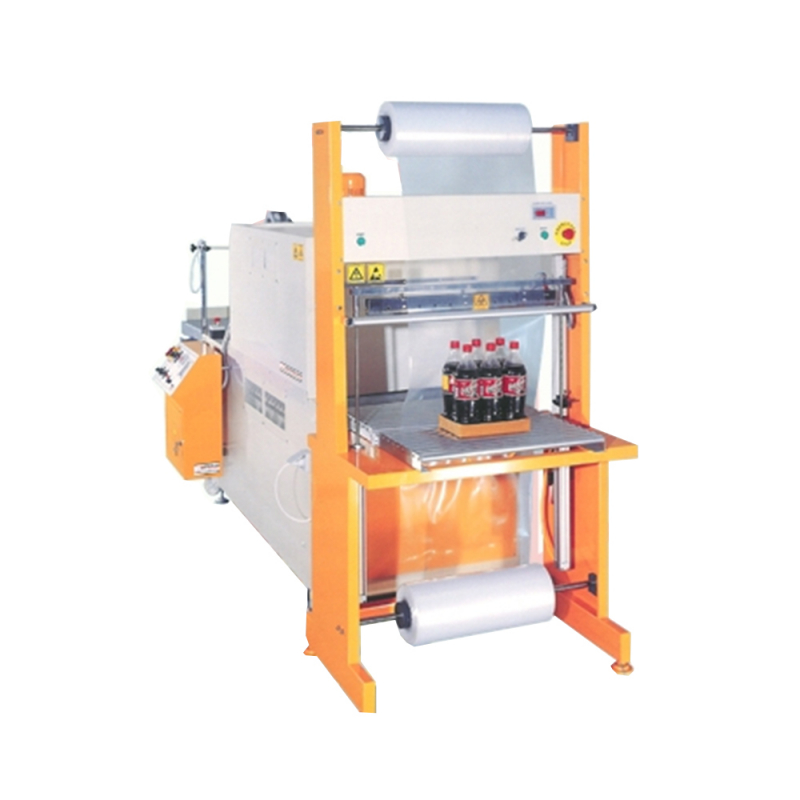
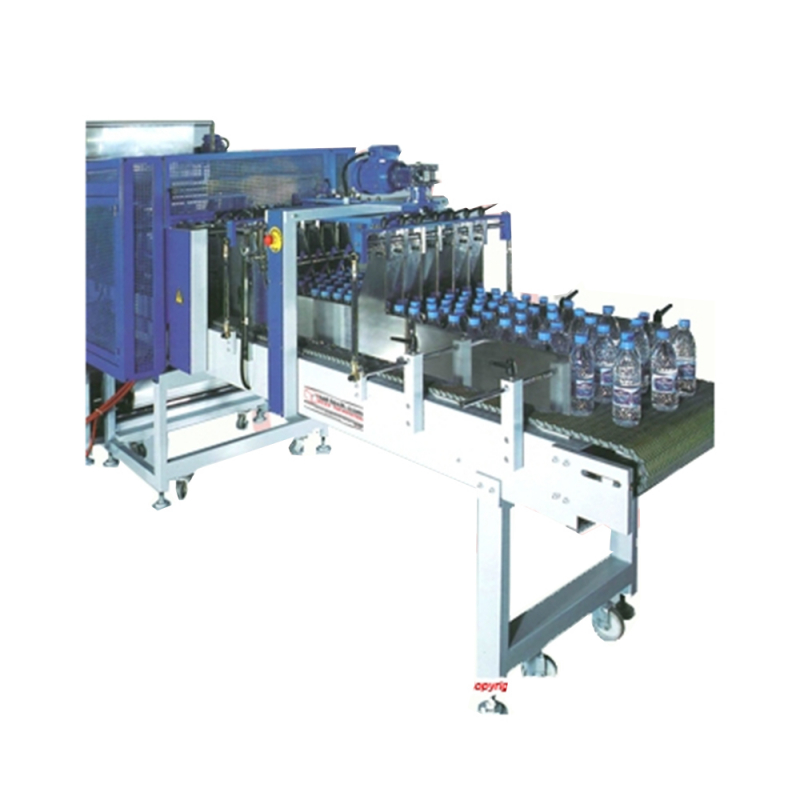

We also have STEP Skinpack packaging machines, available in two models. Both are suitable for packing products of small to medium sizes.
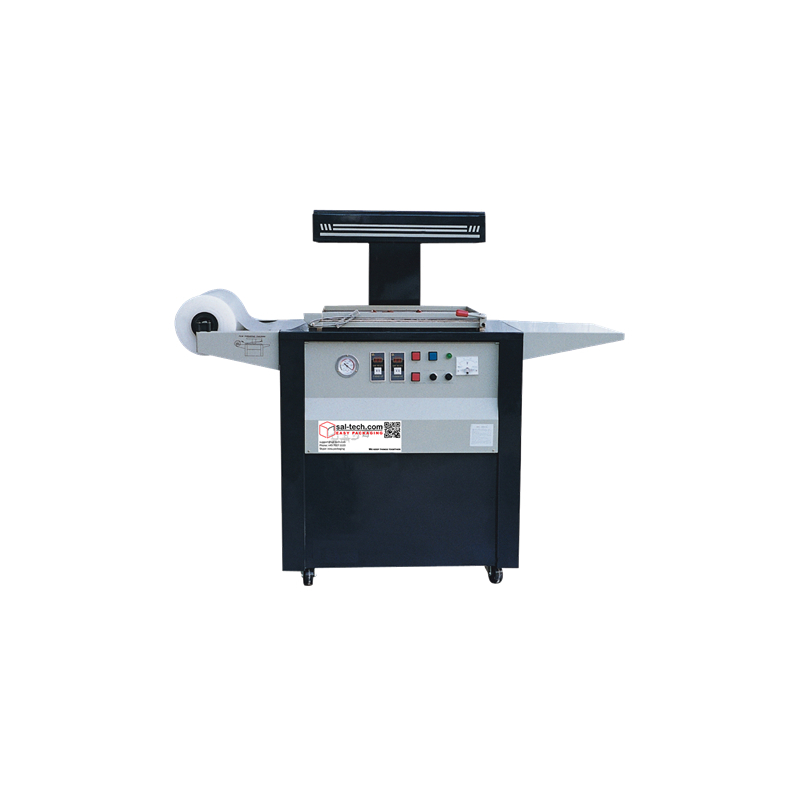
The STEP Skinpack machine makes a skin pack, where you place the products on a sheet of cardboard and the machine sucks the air out, drawing a film tightly around the product while laminating it in place.
Protection with shrinking
Shrink packaging films come in a wide variety of properties, such as thickness, opacity, strength and shrink ratio. Different properties serve different purposes — for example, light- or heat-sensitive products use darker films to protect against sunlight. A thicker film is used for heavier products, while a thinner, weaker film is used for security purposes.
The film also keeps products together, making them easier to transport. It gives the product a welcoming appearance and a sense of security, and the shrink package prevents accidental opening as well as indicating tampering.
Final thoughts
The importance of shrink wrapping a product is undoubtedly immense. These things are hardly noticed by the everyday consumer. They are simple and affordable — they protect our products' integrity from harsh elements as well as malicious intent.
Written by
Gunnar Salbæk
CEO / Industrial Design, 30 years of experience in the field.