
| ⏰ 6 min read |
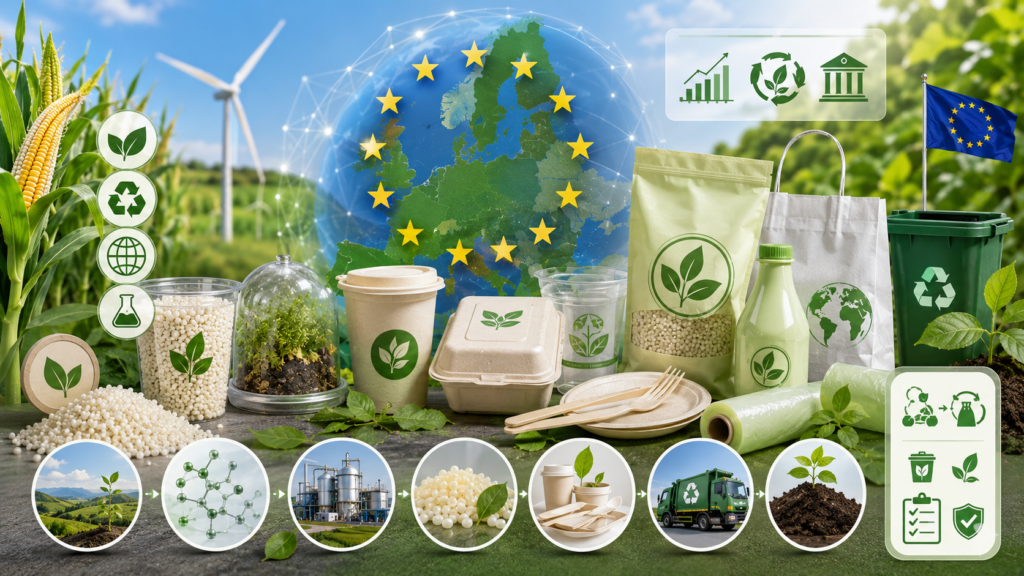
Bio-based plastics have emerged as a promising alternative to traditional petroleum-based plastics, offering a potential solution to plastic pollution and waste management challenges. However, navigating the regulatory landscape surrounding these materials in Europe can be complex. This article aims to shed light on the current situation and prospects for bio-based plastics regulation in the EU.
The Current Landscape
The European Union (EU) has implemented a comprehensive regulatory framework to address the environmental and sustainability concerns associated with bio-based plastics. This framework aims to promote the use of sustainable bio-based plastics while minimizing their potential negative impacts.
Their aim is to address different aspects. These include:
- ✓EU Taxonomy — This classification system defines sustainable activities, with some bio-based plastics potentially meeting the criteria.
- ✓Single-Use Plastics Directive — This directive restricts certain single-use plastic items, regardless of their material source. Bio-based options intended for single use might still be banned.
- ✓Waste Framework Directive — This directive focuses on waste management and promotes recycling, including bioplastics that meet specific composting standards.
The key EU regulations governing bio-based plastics include:
| 1 |
Regulation (EC) No 1935/2004 — Food Contact Materials Establishes general safety requirements for materials and articles intended to come into contact with food, including bio-based plastics, ensuring they don't pose a risk to human health. |
| 2 |
Regulation (EC) No 2023/2006 — Good Manufacturing Practice Outlines GMP requirements for producing materials intended for food contact, ensuring hygienic, controlled production conditions to minimize contamination risk. |
| 3 |
Regulation (EC) No 10/2011 — Plastic Food Contact Materials Sets specific requirements for plastic materials intended for food contact, covering composition, manufacturing, and testing to ensure food safety. |
| 4 |
Directive 2019/904 — Single-Use Plastics Directive (SUP) Aims to reduce the environmental impact of single-use plastics by restricting or prohibiting their use, including biodegradability criteria and labelling for bio-based single-use items. |
| 5 |
Regulation (EU) No 2020/1056 — Waste Recovery & Recycling Promotes the recovery and recycling of waste, including plastic waste, setting recycling targets and a system for traceability and accountability. |
| 6 |
EC Communication — Policy Framework for BBPs Provides a comprehensive overview of the EU's policy approach to bio-based, biodegradable and compostable plastics, promoting innovation while minimizing environmental impacts. |
The Road Ahead: Challenges and Opportunities
The EU's regulatory framework on bio-based plastics is constantly evolving as new scientific evidence and technologies emerge. The goal is to strike a balance between promoting the development of sustainable bio-based plastics and mitigating their potential negative environmental impacts.
In October 2023, the European Union made a significant decision regarding bio-based plastics. The EU Commission adopted a proposal that would establish new rules for the labelling and marketing of bio-based, biodegradable, and compostable plastics (BBPs) — aiming to provide consumers with clear, accurate information about environmental performance while promoting truly sustainable alternatives.
The Proposal's Key Elements
- Mandatory labelling — All BBPs placed on the EU market would need a standardized label indicating bio-based content, biodegradability or compostability, and relevant environmental certifications.
- Marketing restrictions — Restrictions on misleading marketing claims for BBPs. Terms like "eco-friendly" or "plastic-free" would only be allowed if backed by scientific evidence.
- Harmonized standards — Common standards for assessing biodegradability, compostability, and bio-based content, so consumers can trust these claims are robust and consistent.
- Monitoring and review — The EU Commission would monitor implementation and review effectiveness regularly, allowing adjustments to keep the rules fit for purpose.
👉 Clearer labelling means consumers can finally tell the difference between genuinely sustainable plastics and marketing spin.
|
⚠ Current Challenges
|
✓ Opportunities Ahead
|
Conclusion: A Dynamic Landscape
The regulation of bio-based plastics in Europe is still evolving. While the current framework provides a foundation, further developments are expected. As technology advances and environmental concerns continue to rise, we can expect stricter regulations and a stronger emphasis on true sustainability in the bioplastics sector. Businesses and consumers alike should stay informed about these ongoing developments to ensure responsible use of these potentially valuable materials.
Overall, the EU's decision on bio-based plastics is a welcome step towards promoting sustainable consumption and production. The new rules are expected to have a positive impact on the environment and provide consumers with the information they need to make informed choices.
In Salbaek Technology Group, we are committed to sustainable materials, and we think this new regulation will bring several advantages for packaging companies and end customers, such as:
- ✓Improved consumer understanding — Mandatory labelling requirements will give consumers clear, accurate information to make informed purchasing choices.
- ✓Reduced misleading claims — Marketing restrictions will curb unsubstantiated claims about the environmental benefits of BBPs.
- ✓Promoted innovation — Harmonized standards will encourage development of truly sustainable BBPs that meet stringent criteria.
- ✓Increased transparency — Greater visibility across the bioplastics value chain, from production to disposal, helps identify and address environmental concerns.
 |
Written by Sal-Tech Easy Packaging |